Discover common BMW problems in Dubai and UAE, including engine overheating, oil leaks, transmission, electrical and AC issues. Learn warning signs and maintenance tips.
BMW vehicles are known for their performance, luxury, advanced technology and driving comfort. From the BMW 3 Series and 5 Series to the X3, X5, X7 and electric iX, BMW continues to develop vehicles with sophisticated engines and intelligent electronic systems.
However, owning a BMW in the UAE comes with specific maintenance challenges. High temperatures, dusty roads, heavy traffic and frequent air-conditioning use can place additional demands on important vehicle components.
Whether you drive a BMW 320i, 330i, 530i, X3 or X5, understanding common BMW problems in the UAE can help you recognise warning signs, arrange timely inspections and reduce the risk of unexpected breakdowns. The exact issues and maintenance requirements vary by model, engine, model year and service history.
In this guide, we explain common BMW mechanical and electrical issues, their symptoms, possible causes and practical maintenance tips for UAE driving conditions.
Need professional BMW maintenance? Carcility helps BMW owners in Dubai arrange servicing, inspections, diagnostics and repairs through its network of vetted automotive service partners.
BMW models commonly driven in the UAE
BMW offers a wide range of models, including the 3 Series, 5 Series, 7 Series, X3, X5, X6, X7 and electric iX. Popular variants include the 320i, 330i and 530i. Their components, engines and maintenance requirements are not identical, so a fault or service recommendation for one model should not automatically be applied to another.
When arranging maintenance or diagnosing a problem, provide the vehicle’s model, model year, engine details and service history wherever possible. This helps the workshop identify the correct specifications and diagnostic procedure.
BMW engine overheating and coolant leaks
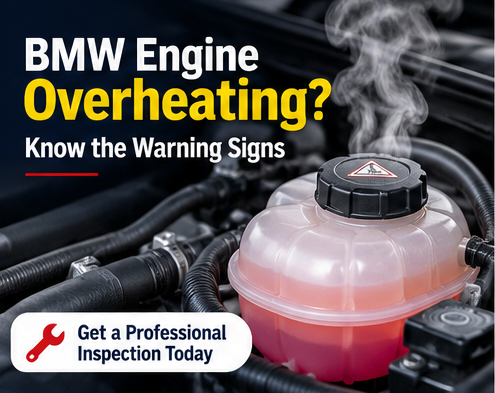
Engine overheating is an important issue BMW owners should watch for, particularly during periods of high temperatures in the UAE.
BMW cooling systems use components such as radiators, electric water pumps, thermostats, coolant hoses and expansion tanks to maintain the correct engine temperature. Over time, these components can develop leaks or mechanical faults.
Common warning signs:
- Engine temperature warning messages.
- Frequent low-coolant warnings.
- Coolant leaking underneath the vehicle.
- A sweet smell coming from the engine compartment.
- Unexpected changes in engine temperature.
Possible causes
Coolant leaks may develop from ageing hoses, damaged expansion tanks, radiator connections or water-pump seals. A faulty thermostat or cooling fan can also affect temperature regulation.
How to prevent it
Check coolant levels according to the owner’s manual and arrange cooling-system inspections. If your BMW repeatedly loses coolant, request a cooling-system pressure test to help identify the leak.
Never continue driving with an overheating engine. Stop safely and arrange professional assistance to avoid serious engine damage.
BMW engine oil leaks
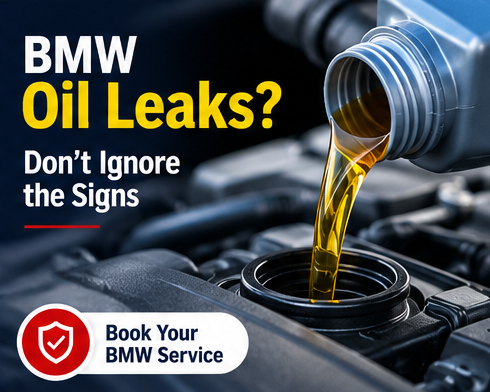
Oil leaks can affect BMW vehicles as seals and gaskets deteriorate with age, heat exposure and use. The source of a leak should be identified before parts are replaced.
Common areas technicians may inspect include:
- Valve-cover gasket.
- Oil-filter-housing gasket.
- Oil sump gasket.
- Crankshaft seals.
- Turbocharger oil lines, where fitted.
Common warning signs:
- Oil spots underneath the vehicle.
- A burning-oil smell.
- Smoke coming from the engine compartment.
- Low engine-oil warnings.
- Visible oil residue around engine components.
How to prevent it
Use the engine-oil specification recommended for your particular BMW engine. Check oil levels according to the owner’s manual and inspect the engine for leaks during scheduled servicing. Replacing worn gaskets and seals early can help prevent further oil loss and damage to surrounding components.
BMW turbocharger problems
Many BMW petrol and diesel models use turbocharged engines to deliver strong performance and efficiency. Turbocharger systems operate under high temperatures and pressures. Insufficient lubrication, oil contamination or component wear can eventually affect performance.
Common warning signs:
- Reduced engine power.
- Unusual whistling or whining sounds.
- Excessive exhaust smoke.
- Poor acceleration.
- Engine warning lights.
How to prevent it
Follow the recommended engine-oil service schedule and use the correct oil specification. Have unusual turbocharger noises or sudden power loss investigated promptly. A professional inspection can help determine whether the issue involves the turbocharger itself, boost pipes, sensors or related engine components.
BMW automatic transmission problems
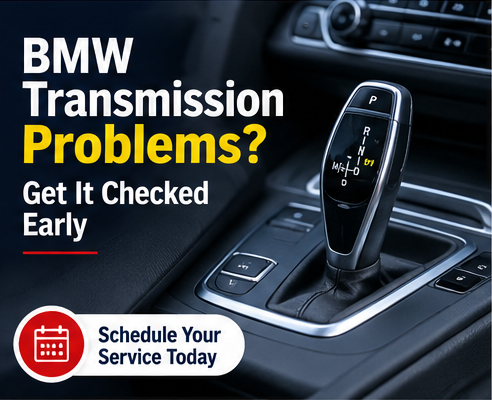
BMW automatic transmissions are designed to provide smooth gear changes and responsive acceleration. Mechanical wear, fluid leaks and electronic control problems can affect transmission performance.
Common warning signs:
- Jerking while changing gears.
- Delayed gear engagement.
- Rough or unexpected gear shifts.
- Transmission warning messages.
- Vibrations during acceleration.
Possible causes
Potential causes include worn transmission components, fluid leaks, control-module faults or problems with transmission-related sensors.
How to prevent it
Have the transmission inspected when you notice unusual shifting behaviour. Follow the applicable gearbox manufacturer’s and vehicle manufacturer’s maintenance recommendations and use the correct transmission fluid. Avoid ignoring repeated transmission warnings, as continued driving with certain faults can lead to more extensive repairs.
BMW suspension and steering problems
BMW suspension systems are designed to provide handling, comfort and road stability. Driving over uneven roads, speed bumps and potholes can gradually wear suspension components.
Components that may require attention include:
- Shock absorbers and struts.
- Control-arm bushes.
- Ball joints.
- Steering components.
- Suspension links.
Common warning signs:
- Knocking sounds over bumps.
- Steering vibrations.
- Uneven tire wear.
- Excessive body movement.
- Reduced driving stability.
How to prevent it
Arrange regular suspension inspections and wheel-alignment checks. Replace worn components when necessary to maintain safe handling and driving comfort.
BMW battery and charging-system problems
Modern BMW vehicles depend on their electrical systems to operate engine management, infotainment, lighting, safety features and other electronic components. Battery problems can sometimes cause multiple warning messages or unexpected electrical behaviour. High ambient temperatures can also accelerate battery deterioration.
Common warning signs:
- Slow engine starting.
- Battery or charging warnings.
- Multiple dashboard warning lights.
- Start-stop system malfunction.
- Electrical accessories behaving unexpectedly.
How to prevent it
Have battery health and charging-system performance tested periodically. Check the alternator, battery connections and electrical system if warning messages appear. When replacing a BMW battery, ensure the correct battery type and specification are selected. Some BMW models also require battery registration using compatible diagnostic equipment.
BMW sensor and electronic control-module faults
BMW vehicles use numerous electronic sensors and control modules to monitor engine performance, braking, steering and other vehicle functions. A faulty sensor or communication issue can trigger dashboard warnings or affect vehicle performance.
Common areas requiring inspection include:
- Oxygen sensors.
- ABS wheel-speed sensors.
- Crankshaft and camshaft sensors.
- Parking sensors.
- Engine control modules.
Common warning signs:
- Check-engine warning lights.
- ABS or traction-control warnings.
- Incorrect dashboard readings.
- Changes in engine performance.
- Parking-sensor malfunctions.
How to prevent it
Do not replace components simply because a warning light appears. A BMW-compatible diagnostic scan can help identify stored fault codes and determine the actual cause of the issue. Professional diagnosis helps prevent unnecessary parts replacement and repeated repairs.
BMW iDrive and infotainment problems
BMW’s iDrive system provides access to navigation, entertainment, connectivity and vehicle settings. Depending on the model and software version, electronic or software-related issues may affect system performance.
Common warning signs:
- Frozen infotainment screens.
- Bluetooth connectivity problems.
- Navigation malfunctions.
- Back-up camera display issues.
- Delayed system responses.
How to prevent it
Keep vehicle software updated where applicable. If the issue continues, have the system checked for software faults, wiring problems and control-module communication errors.
BMW air-conditioning problems in Dubai
A properly functioning air-conditioning system is essential for comfortable driving in Dubai, particularly during hot weather. BMW AC systems depend on several components, including the compressor, condenser, evaporator, pressure sensors, cooling fans and electronic controls.
Common warning signs:
- AC blowing warm air.
- Weak cooling when the vehicle is stationary.
- Unusual compressor noises.
- Intermittent cooling.
- Unusual AC system behaviour.
Possible causes
Possible causes include refrigerant leaks, restricted airflow, a dirty condenser, compressor faults or electrical-control problems.
How to prevent it
Inspect the cabin air filter and condenser regularly. If cooling performance decreases, arrange an AC inspection to check refrigerant pressure, leaks, compressor operation and electrical controls. Avoid simply topping up refrigerant without identifying the reason for the loss.
BMW warning lights: when to arrange a diagnostic check
A dashboard warning light can have several possible causes. The warning message, vehicle model and stored diagnostic information all matter. Examples include a check-engine light, coolant-temperature warning, battery or charging warning, ABS warning and drivetrain malfunction message.
Do not assume that one warning always points to one specific failed part. A BMW-compatible diagnostic scan, followed by appropriate physical checks, can help identify the underlying fault. If the vehicle displays an overheating warning, loses braking or steering assistance, or shows another serious safety warning, stop safely and arrange professional help.
Essential BMW maintenance tips for UAE driving conditions
Preventive maintenance is one of the best ways to keep your BMW reliable and reduce unexpected repair costs. The following practices can help BMW owners in the UAE:
Follow the correct engine-oil schedule: Use the oil specification approved for your BMW engine. Monitor oil levels and follow the vehicle’s service indicators and maintenance requirements.
Inspect the cooling system: Check coolant levels, radiator connections, hoses, expansion tanks and water-pump operation. Cooling-system inspections are especially important during the UAE summer.
Maintain the air-conditioning system: Inspect cabin filters and condenser cleanliness. Arrange an AC inspection if cooling performance decreases.
Check battery and electrical health: Test battery condition and charging performance. Investigate repeated warning messages rather than ignoring them.
Inspect tyres and brakes: Check tyre pressure, tread depth, brake pads and brake discs. Make sure your tyres meet your BMW’s recommended specifications.
Perform regular computer diagnostics when indicated: A BMW-compatible diagnostic scan can identify stored fault codes and help investigate warning lights or symptoms.
Follow model-specific maintenance recommendations: Different BMW engines and model years have different servicing requirements. Follow the owner’s manual and manufacturer recommendations rather than applying one maintenance schedule to every BMW.
When should you take your BMW for a professional inspection?
BMW owners should not wait until a vehicle breaks down before arranging an inspection. Consider having your vehicle checked if you notice:
- Repeated coolant or engine-oil loss.
- Unusual engine or transmission noises.
- Reduced acceleration or engine performance.
- Persistent dashboard warning lights.
- Battery or charging-system warnings.
- Weak air conditioning.
- Unusual steering or suspension vibrations.
Identifying problems early can help prevent minor faults from developing into more expensive mechanical or electrical repairs. The urgency depends on the symptom; serious warning messages or changes affecting vehicle safety should be addressed immediately.
BMW servicing and repairs in Dubai with Carcility
Keeping your BMW in excellent condition requires appropriate maintenance, accurate diagnostics and timely repairs. Carcility helps BMW owners in Dubai arrange professional servicing, mechanical inspections, computer diagnostics and repair services through its network of vetted automotive service partners.
Whether your BMW needs an engine-oil change, cooling-system inspection, battery testing, AC maintenance or electrical diagnostics, our team can help arrange an inspection and provide a quotation for the recommended work.
Why choose Carcility?
- Free vehicle pickup and delivery across Dubai.
- Inspection reports, with photos or videos where available, to help explain the vehicle’s condition.
- A quotation for review before additional repair work is carried out.
- A customer-focused process coordinated with vetted garage partners.
- Support with routine servicing, diagnostics and a range of repair requirements.
Your vehicle is inspected at the garage. Our team keeps you informed and seeks your approval before proceeding with additional work.
| Book your BMW service with Carcility today. Visit www.carcility.com or WhatsApp our team to arrange pickup and delivery. |
Carcility – Car Care and Beyond.
Frequently asked questions about BMW problems in the UAE
What are the most common problems with BMW cars?
Common problems can include engine-oil leaks, coolant leaks, cooling-system faults, turbocharger issues, transmission problems, battery deterioration and electronic sensor malfunctions. The likelihood of these problems varies by engine, model year and vehicle maintenance history.
Are BMW cars reliable in the UAE?
BMW vehicles can provide reliable performance in the UAE when maintained correctly. Regular servicing, cooling-system inspections, battery testing and timely repairs are important because of the region’s high temperatures and driving conditions.
What causes BMW engines to overheat in Dubai?
Potential causes include coolant leaks, faulty thermostats, water-pump problems, radiator restrictions and cooling-fan faults. A professional cooling-system inspection can help identify the underlying issue.
What are the common electrical problems in BMW cars?
Common electrical issues can include weak batteries, charging-system faults, malfunctioning sensors, iDrive problems, wiring issues and electronic control-module communication faults.
How often should a BMW be serviced in the UAE?
Service intervals depend on the BMW model, engine and driving conditions. Follow the manufacturer’s service indicator and owner’s manual. Frequent short trips, heavy traffic and high temperatures may make additional inspections beneficial.
Why does my BMW battery keep draining?
Possible reasons include an ageing battery, charging-system faults, excessive parasitic electrical drain or a control module that does not enter sleep mode correctly. A battery and electrical-system test can help identify the cause.
How can I prevent BMW engine-oil leaks?
Follow the recommended oil-service schedule, use the correct oil specification and inspect engine gaskets and seals during routine servicing. Address visible leaks before they cause significant oil loss.
Where can I get BMW repair and maintenance in Dubai?
Carcility helps arrange BMW servicing, mechanical inspections, computer diagnostics and repair services in Dubai through its network of vetted automotive service partners. Visit www.carcility.com to enquire.
Why does my BMW show a drivetrain malfunction warning?
A drivetrain malfunction message can be associated with different engine, transmission or electronic-control issues. The exact cause cannot be confirmed from the message alone. A BMW-compatible diagnostic scan and follow-up inspection are recommended.
Why does my BMW AC stop cooling in Dubai?
Possible causes include refrigerant leaks, restricted airflow, a dirty condenser, compressor problems or electrical faults. An AC inspection can help identify the cause; simply adding refrigerant may not resolve an underlying leak.
Where can I get a BMW diagnostic scan in Dubai?
You can contact Carcility to arrange a BMW diagnostic check through its service network in Dubai. The diagnostic findings should be assessed alongside the vehicle’s symptoms and physical inspection.