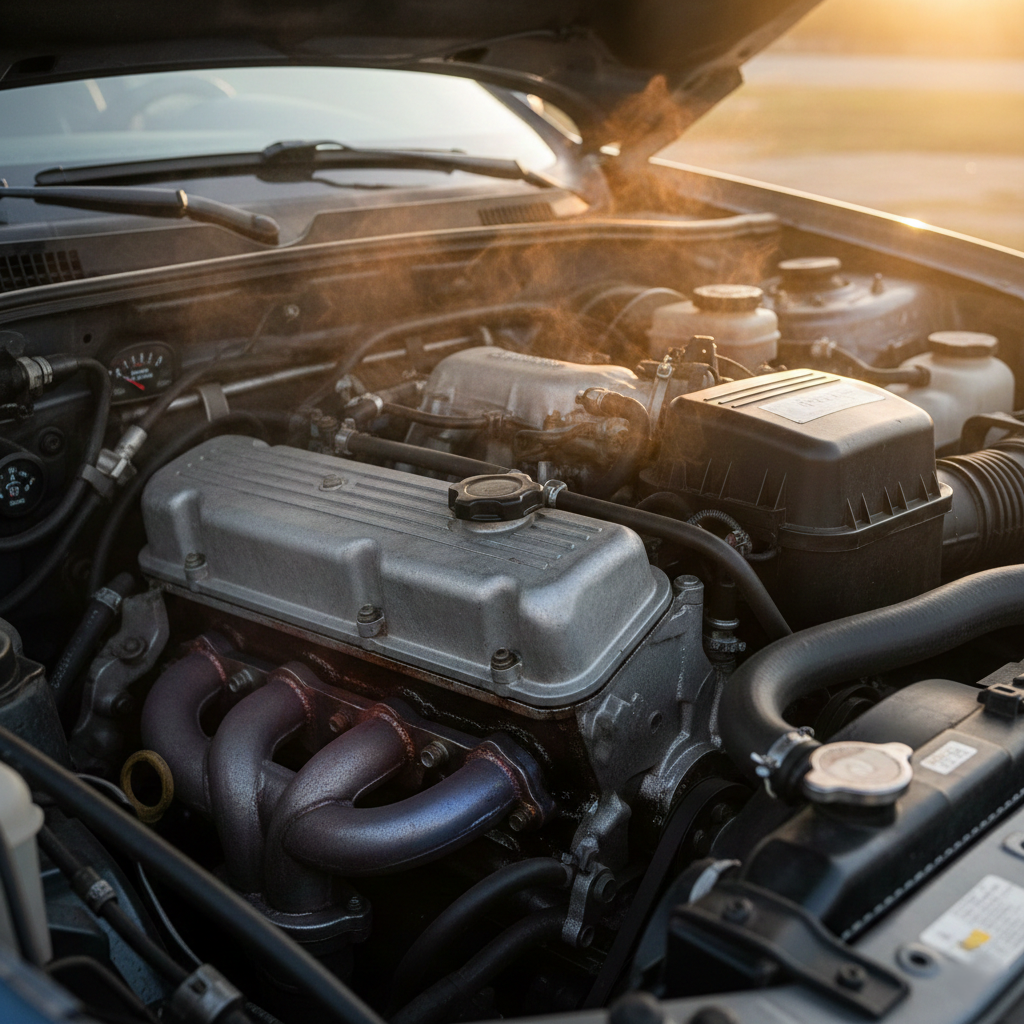
Many drivers skip a simple but important step—to warm up engine before driving—and head off immediately after starting their car. While this may save a few seconds, it can slowly harm your engine over time. Allowing your engine to warm up properly helps ensure smooth performance, better fuel efficiency, and long-term engine health.
This guide explains what happens when an engine is cold, why warming it up matters, and how to do it correctly to keep your car running reliably.
What Happens When the Engine Is Cold?
When your car is parked overnight or for long hours, engine oil settles at the bottom of the engine. Once you start the vehicle, it takes a few seconds for the oil to circulate and lubricate critical components such as pistons, valves, and bearings.
If you drive off immediately:
- The engine runs with poor lubrication
- Friction and internal wear increase
- Long-term damage to engine components may occur
This is why it’s essential to warm up engine before driving, even for a short time.
Benefits of Warming Up Your Engine Before Driving
Taking a moment to warm up your engine provides several key benefits:
- Better Lubrication
Warm oil flows smoothly and protects engine parts from friction. - Improved Fuel Efficiency
Engines burn fuel more efficiently once they reach operating temperature. - Smoother Acceleration
The car responds better and drives more smoothly. - Longer Engine Life
Reduced wear helps prevent costly repairs and breakdowns.
Why You Should Avoid Accelerating Too Soon
Accelerating hard when the engine is still cold can cause unnecessary stress. Metal components need time to reach optimal operating temperature and expand properly.
Driving aggressively too soon can:
- Cause metal parts to grind without proper lubrication
- Increase wear on pistons, seals, and gaskets
- Shorten the overall lifespan of your engine
To avoid this, always warm up engine before driving and keep acceleration gentle during the first few minutes.
How Long Should You Warm Up Your Engine?
Modern cars don’t require long idling times.
Best practice:
- Let the engine idle for 30–60 seconds
- Drive gently until the temperature gauge stabilizes
- Avoid high RPMs or sudden acceleration early on
Carcility Tips for Engine Care
Follow these simple habits to protect your engine:
- Always warm up engine before driving
- Avoid revving the engine immediately after starting
- Maintain regular oil changes and engine servicing
Keep Your Engine Healthy with Carcility
At Carcility, we make smart car care easy. From routine oil changes to detailed engine inspections, our trusted workshops across the UAE help ensure your car stays efficient and reliable for years to come.
👉 Book your next service online today and give your engine the care it deserves.
Carcility – Smart Care for Every Drive. 💙